
A complete configuration and coordination plan for shared water dispenser bottle racks among roommates, covering cost sharing, usage rules and space arrangement, providing practical shared drinking water solutions for groups living in shared rentals.
Shared renting is a popular housing choice for many young people, especially those working in first-tier cities. In shared living spaces, the configuration and management of drinking water facilities require joint negotiation between roommates. This article offers targeted advice for setting up and managing water bottle racks in shared rental environments.
Special Considerations for Shared Rental Environments
Living with roommates comes with unique factors that need to be taken into account for shared drinking water setups:
- More Users: Shared rentals usually have 2-4 people, leading to higher water consumption and more frequent water jug changes compared to single-person living
- Shared Space: The living room and kitchen are common areas, so the placement of the water bottle rack must be agreed upon by all roommates
- Cost Sharing: Bottled water costs must be split fairly to avoid conflicts and misunderstandings
- Different Usage Habits: Roommates have different schedules and usage habits, which require proper coordination
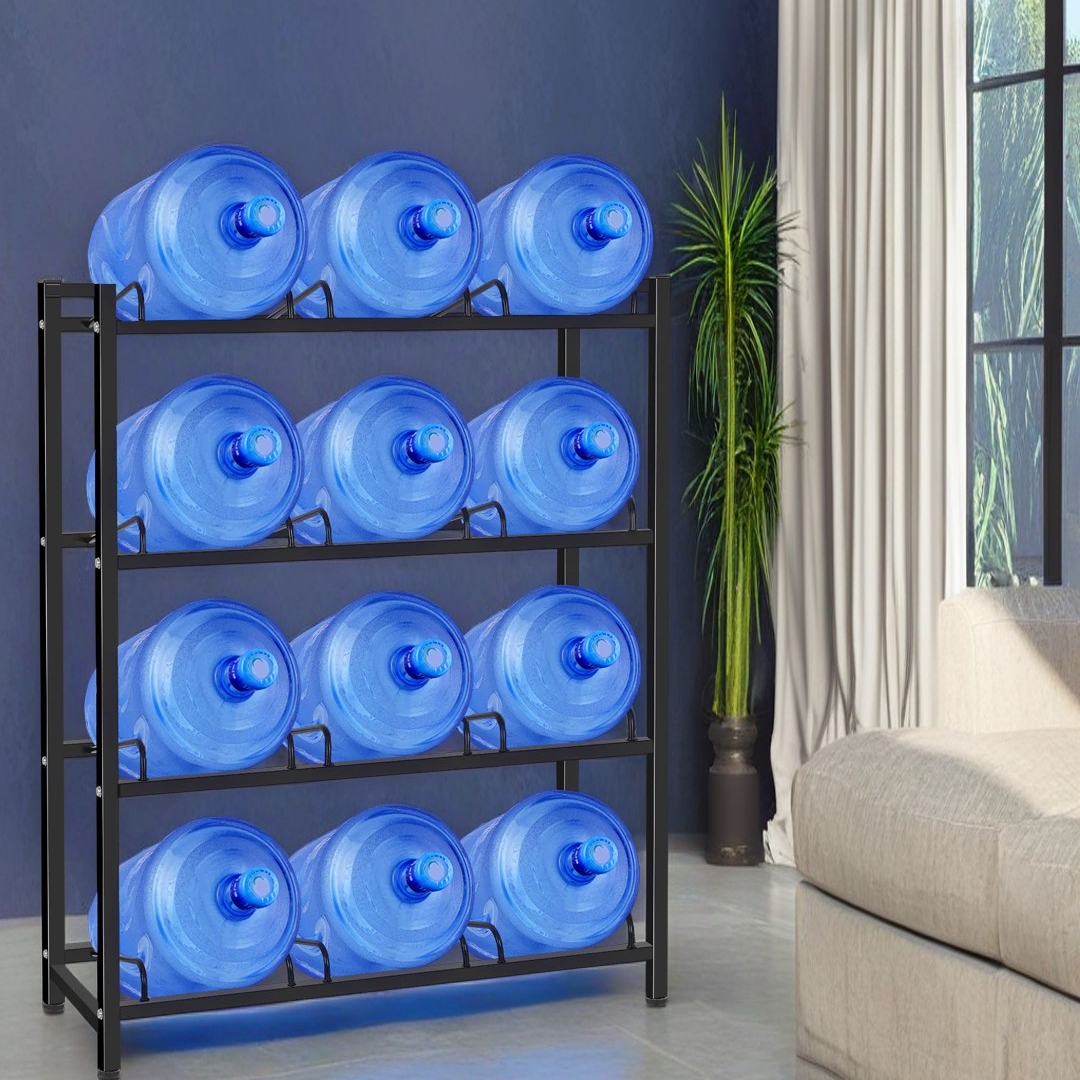
Configuration Recommendations for Shared Use
Choose the Right Capacity
It’s highly recommended to use **5-gallon large water jugs** to reduce the frequency of changing jugs. For larger groups with 4 or more roommates, consider setting up 2 separate water bottle racks to ensure an adequate water supply.
Optimal Placement
Place the water bottle rack in a spot that’s easy for everyone to reach, typically the common living room or kitchen. Pick a corner that doesn’t block walkways or take up main activity space, so it won’t disrupt daily life.
Multi-Tier Design
Choose a multi-tier water bottle rack that can hold 2-3 backup jugs at the same time. This makes full use of vertical space and cuts down on the need for extra storage area for spare water jugs.
Reliable & Durable Quality
Shared facilities are used much more frequently, so a sturdy and long-lasting product is a must.HomStora water bottle racks are built to withstand heavy daily use, making them the perfect fit for shared rental living spaces.
Fair Cost Sharing Plans
Option 1: Take Turns Purchasing
Roommates take turns buying bottled water one by one. This method is simple and straightforward, with no complicated calculations needed, ideal for roommates who want an easy system.
Option 2: Shared Common Fund
Each roommate contributes a fixed amount of money into a shared fund every month. This fund is used to cover bottled water costs and other shared household supplies, ensuring consistent and fair payment.
Option 3: Split Cost Per Purchase (AA)
Divide the cost of each water purchase equally among all roommates right after buying. This works best for roommates with a close relationship and high level of trust.
Suggested Shared Usage Rules
Water Jug Replacement Rules
Set a clear agreement: whoever notices the water jug is empty is responsible for replacing it, or assign jug replacement duties on a rotating schedule among roommates to avoid confusion.
Cleaning Responsibilities
Agree on a regular cleaning schedule and assign specific roommates to take charge each time. Keeping the water bottle rack clean is essential for maintaining healthy drinking water for everyone.
Usage Time Etiquette
If roommates have very different daily schedules, discuss a quiet way to use the water station that doesn’t disturb others who are resting or sleeping.
Guest Usage Policy
Clearly agree on whether guests are allowed to use the shared drinking water. Setting this rule in advance helps avoid unnecessary misunderstandings and conflicts.
Tips to Avoid Conflicts
- Communicate openly and reach a full agreement on all rules before setting up the shared water station
- Set up a simple tracking system, like a whiteboard to record water purchase dates and who bought it
- Address any issues or disagreements promptly instead of letting frustration build up
- Respect each other’s different usage habits and personal schedules