
Recommended portable water bottle racks for outdoor camping, featuring lightweight designs and easy portability, making your outdoor camping drinking experience more convenient and safer.
Camping is the perfect way to connect with nature, but drinking water safety and convenience in the wild are often overlooked. Bringing enough clean drinking water is essential for a safe camping trip, and a portable water bottle rack makes refilling and pouring water effortless, greatly upgrading your overall camping experience.
Camping Water Needs Analysis
Camping trips come with specific water usage requirements that differ from daily indoor needs, here are the key points:
- High Water Consumption: Outdoor activities speed up water loss in the body, with each person needing 3-5 liters of water per day
- Multi-Day Storage: Need to store enough water for multiple days of camping, no frequent water refills available in the wild
- Easy Access: Want to get water without bending over repeatedly or carrying heavy jugs around
- Stable Support: Outdoor ground is often uneven, so the rack needs solid stability to avoid tipping
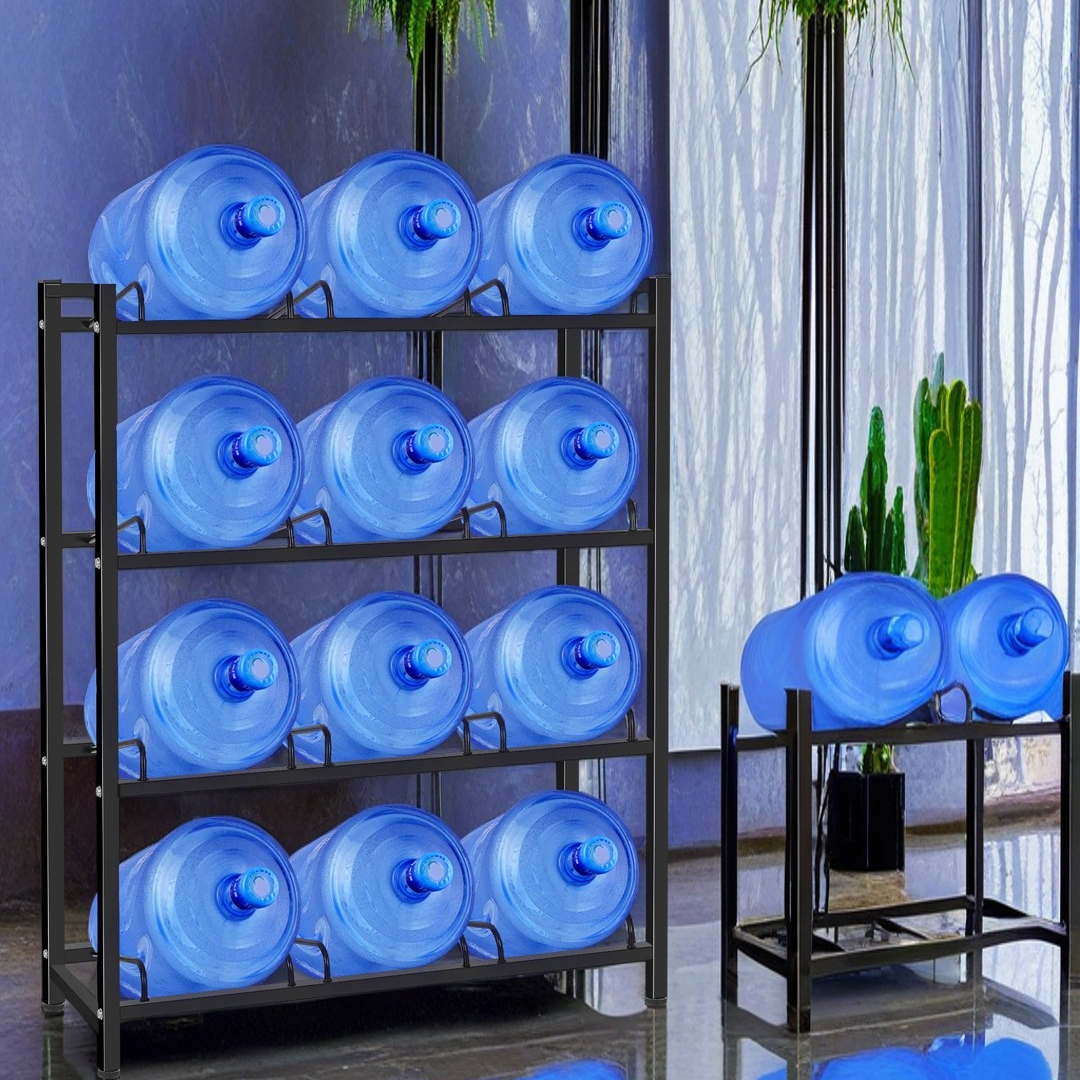
Key Features of Portable Camping Water Bottle Racks
To fit the unique camping environment, portable water bottle racks must have these core features:
Lightweight Design
Every piece of camping gear counts for weight, so portability is non-negotiable. Racks made of aluminum alloy or lightweight plastic usually weigh only 1-2 kg, adding almost no extra burden to your camping load.
Foldable & Collapsible
They can be fully folded or disassembled when not in use, saving precious space in your car or backpack. Many models fold flat into a slim shape, super easy to pack and carry.
Strong Terrain Adaptability
Camping grounds include grass, sand, dirt, and uneven ground. A good camping water rack has a wide, stable base or adjustable legs, working well on all types of outdoor terrain.
Quick Assembly
Camping time is meant for enjoying nature, not complicated setup. These racks can be fully assembled in just a few minutes, with no extra tools required.
Types of Camping Water Bottle Racks
Foldable Aluminum Alloy Racks
- Pros: Ultra-lightweight, durable, rust-resistant, and easy to clean
- Cons: Relatively higher price point
- Best For: Regular campers and outdoor enthusiasts
Plastic Modular Racks
- Pros: Budget-friendly, available in various bright colors
- Cons: Limited weight capacity, not suitable for heavy jugs
- Best For: Casual campers and family trips with light use
Multi-Functional Combo Racks
- Integrate water bottle rack, small tabletop, and storage compartments all in one
- One piece for multiple uses, cuts down on total gear quantity
- Best For: Campers who value all-in-one convenience
Usage Scenarios & Pro Tips
Campsite Setup
Place the water rack near your tent but not inside the tent—this keeps water accessible while avoiding moisture buildup in the sleeping area. Choose flat, firm ground; if the ground is soft, stabilize it with stones or wooden boards underneath.
Drinking Water Hygiene
Hygiene is critical in the outdoors. Keep the water rack clean at all times, and avoid direct contact with dirty ground. We recommend placing a drip tray under the water jug to prevent water from splashing onto the ground and causing cross-contamination.
Multi-Jug Storage
For large groups or long camping trips, bring multiple water jugs and racks. Storing water separately reduces the risk of running out if one jug or rack fails, ensuring a steady water supply.
Product Recommendations
HomStora is not a dedicated outdoor brand, but its standard 5-gallon water bottle rack is lightweight, sturdy, and easy to disassemble and carry, making it a practical choice for casual camping trips. For serious campers seeking professional outdoor gear, we suggest choosing brands specializing in camping and outdoor equipment.
Safety Precautions
- Always check ground stability first—avoid placing racks on soft sand or steep slopes
- Keep racks far away from campfires and heat sources, as high temperatures can damage plastic parts
- Add reflective markers at night to prevent tripping in the dark
- Check the rack’s stability regularly during your trip, especially after wind or ground shifts